Waterproof vs Tarnish-Resistant Jewellery: What's the Difference?
Although waterproof jewellery and tarnish-resistant jewellery are often used interchangeably, there are critical differences between the two types of accessories. The choice you make for your collection depends on your aesthetic preferences and lifestyle, as each has benefits for your daily looks.
Understanding Waterproof Jewellery
Waterproof jewellery is crafted so as not to be affected by water exposure, as it’s generally made from stainless steel with a PVD coating. It can be exposed to moisture regularly without a reduction in appearance, as it is made with materials durable enough to withstand any environment.
Key Features of Waterproof Designs
Some of the key features of waterproof designs include:
-
Water-resistant construction that can withstand exposure to moisture
-
Tarnish-proof jewellery finishes that help maintain colour
-
Durable materials, like stainless steel, titanium, or solid gold
-
PVD coating technology that can resist scratching, fading, and wear over time
-
Secure clasps and closures that align with active daily wear
Materials Commonly Used
The materials that are commonly used in waterproof jewellery include:
-
Stainless steel, which is durable enough for everyday wear
-
Sterling silver, which is naturally tarnish-resistant
-
Pure gold, which is durable and resistant to rust
-
PVD coating, which can be used to make waterproof gold jewellery and silver jewellery
Everyday Benefits
Choosing water-resistant options for everyday jewellery means you never have to worry about taking your pieces off. They can elevate every ensemble, whether you’re headed to the pool or for a night out. Your water-safe jewellery can join you for every adventure.
Understanding Tarnish-Resistant Jewellery
Tarnish-resistant jewellery is designed to maintain its appearance through the use of high-quality materials. It may still be waterproof; however, some tarnish-proof jewellery requires care when exposed to water or chlorine.
What Causes Jewellery to Tarnish
There are several factors that can cause jewellery to tarnish, including
-
Exposure to moisture or oxygen in the air, which can be a trigger of oxidation for certain metals
-
Contact with perfumes or other chemicals
-
Chemicals from pools
-
Natural skin oils or sweat
-
Not storing jewellery in a proper storage box whilst not wearing it
-
Higher temperatures or consistent wear
How Tarnish-Resistant Materials Work
Tarnish-resistant materials work by reducing the reactions that can cause certain metals to discolour over time. This is achieved by using naturally durable materials to make waterproof necklaces and tarnish-resistant rings. This ensures that pieces retain their shine, colour, and appearance.
Long-Term Care Considerations
Tarnish-safe jewellery still requires maintenance and care over time to ensure that it maintains its appearance. Gently washing them in warm water and using a high-quality polishing cloth will help ensure they maintain their shine over time.
Waterproof vs. Tarnish-Resistant: Which Is Better?
The choice between waterproof and tarnish-resistant jewellery comes down to your accessory requirements and aesthetic preference. Each choice can become part of your everyday jewellery wardrobe, but there are some key differences to note.
Durability Comparison
Waterproof jewellery is designed and crafted to be completely safe to expose to water on a consistent basis, whilst tarnish-resistant jewellery may not have this ability. All waterproof jewellery will be tarnish-resistant, but tarnish-proof jewellery may not be safe to expose to water.
Maintenance Comparison
Each type of low-maintenance jewellery can maintain its appearance without additional care, making it an easy addition to your daily wardrobe.
Lifestyle Considerations
Whilst tarnish-proof necklaces and other jewellery can be worn daily, waterproof earrings and accessories can be worn during everyday activities. Whilst you may need to remove tarnish-resistant jewellery before showering or sweating, waterproof necklaces and jewellery do not need to be taken off.
Choosing the Right Collection for Your Lifestyle
Whether you opt for the trending quiet-luxury jewellery aesthetic or seek a more expressive look, the right collection can effortlessly elevate any ensemble you put together.
Best Options for Active Lifestyles
Some of the best active jewellery options for exercise-filled lifestyles include:
-
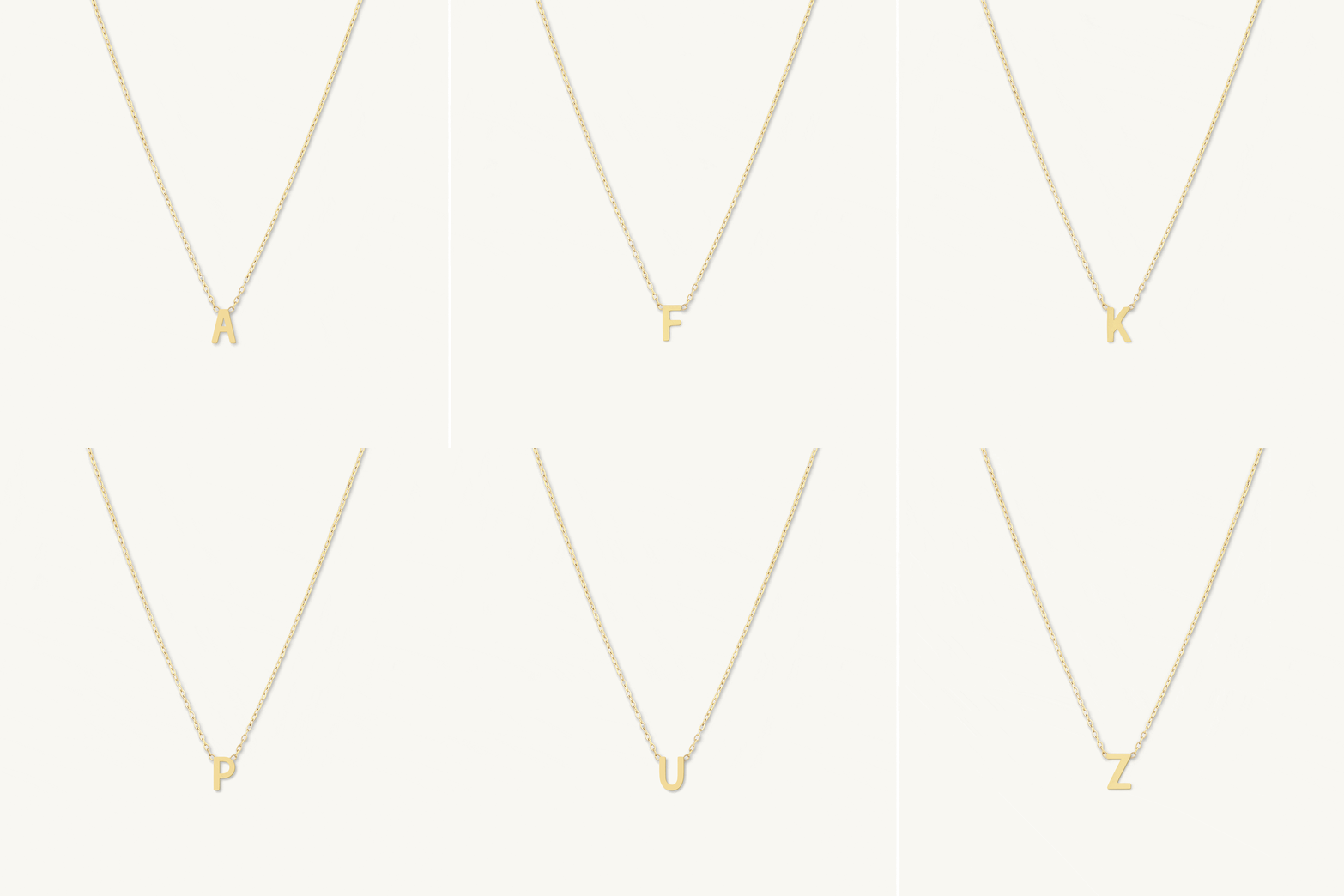
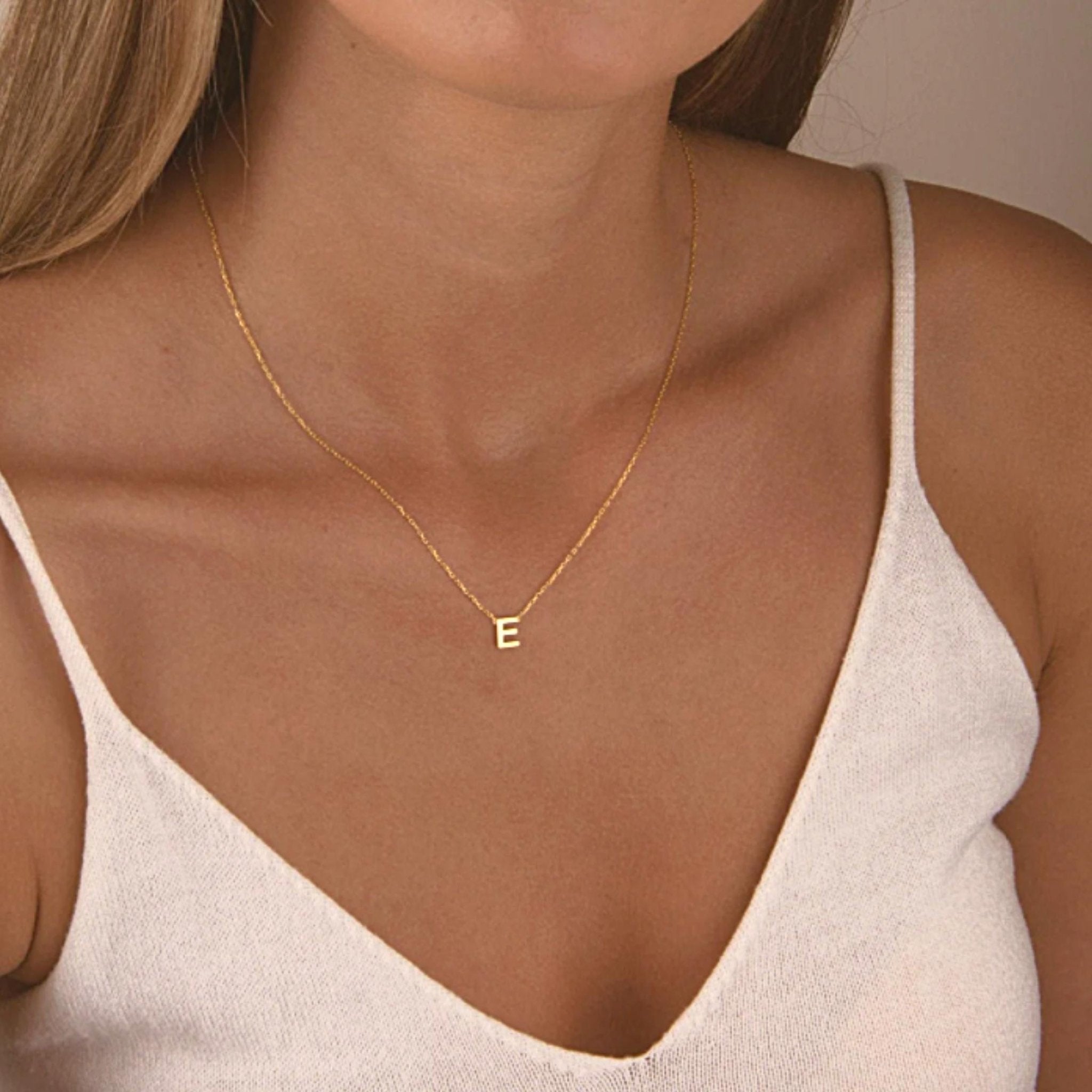
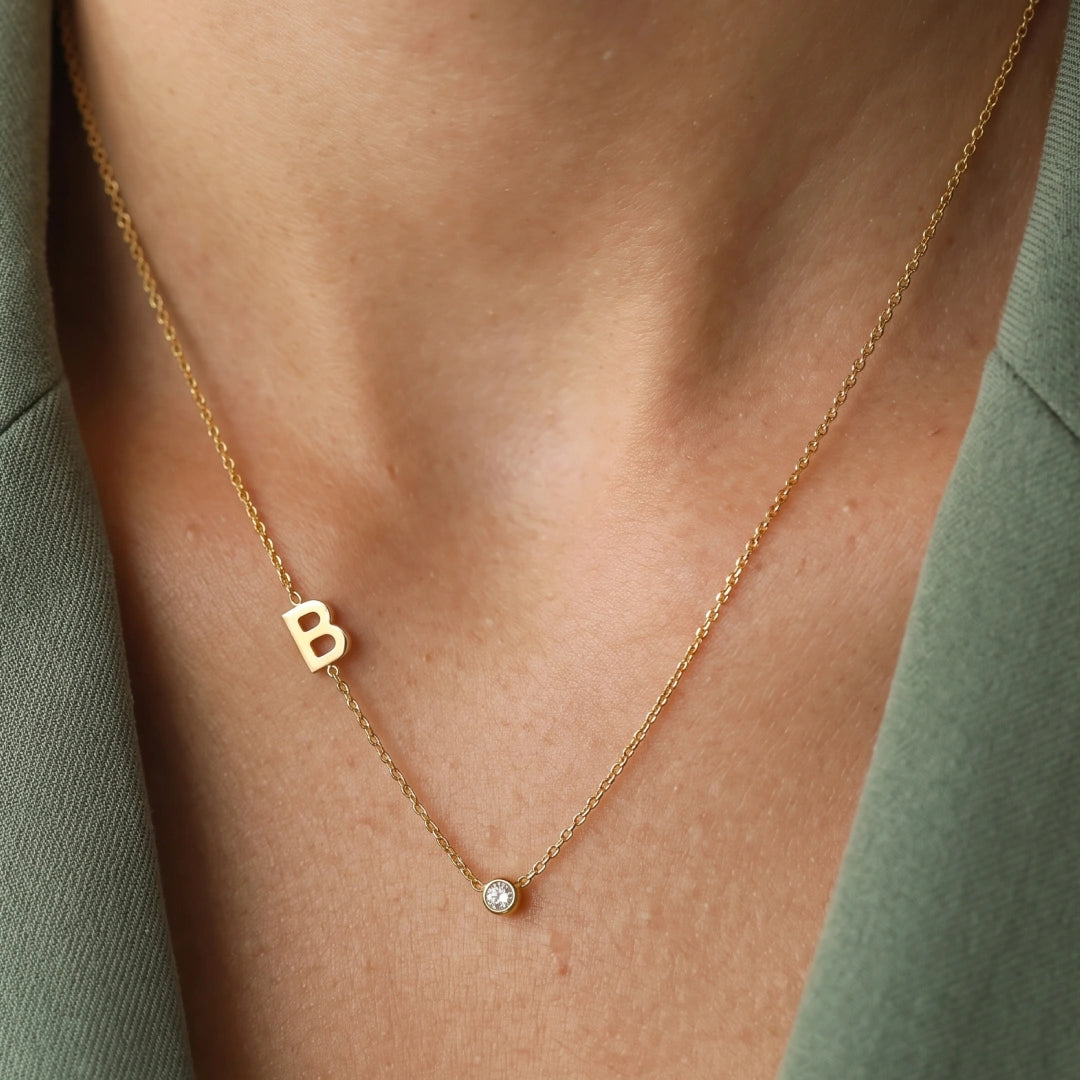
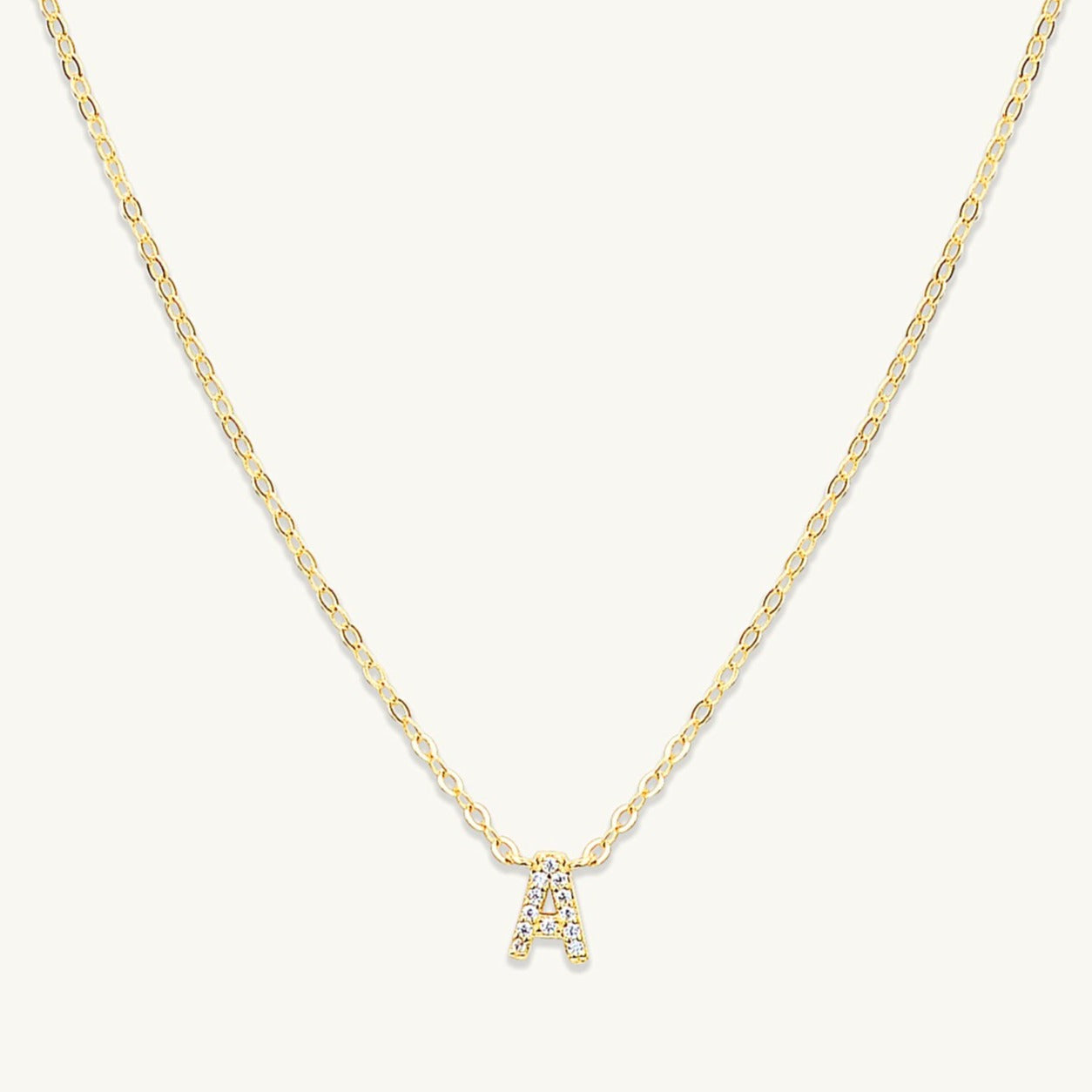
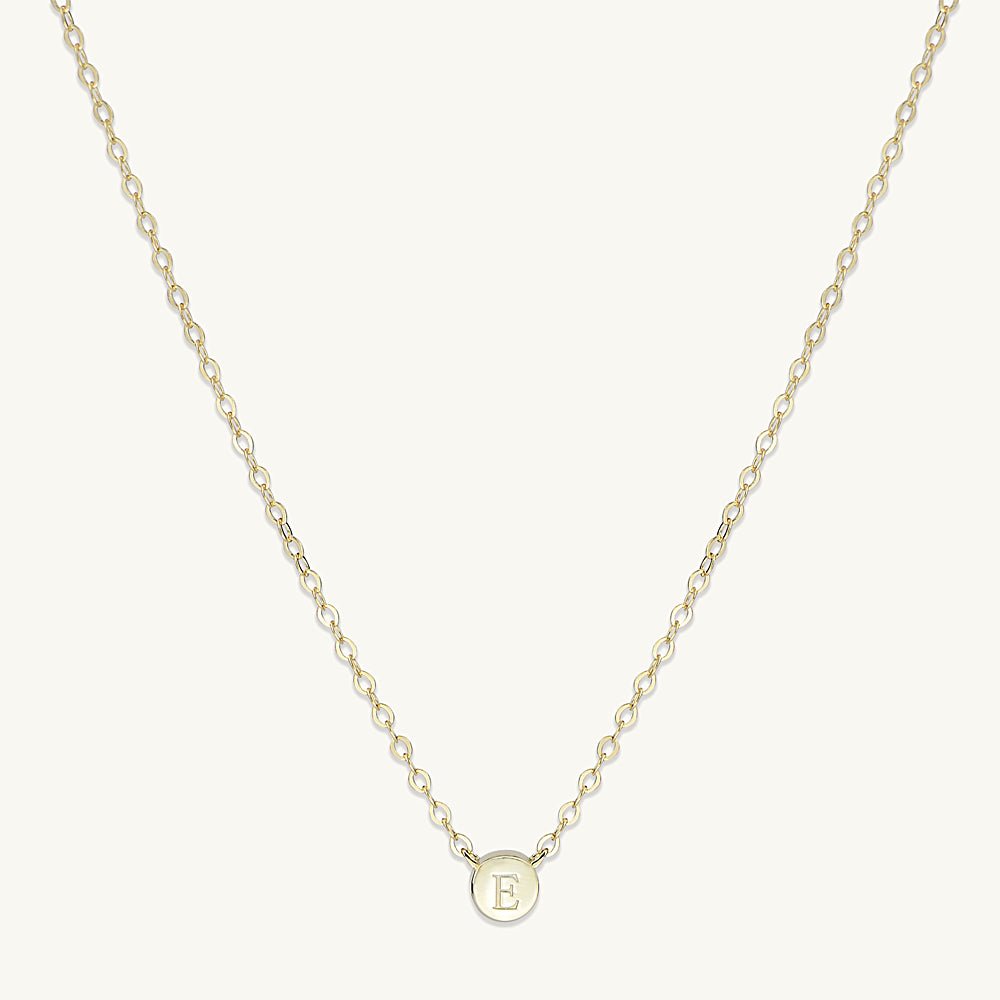
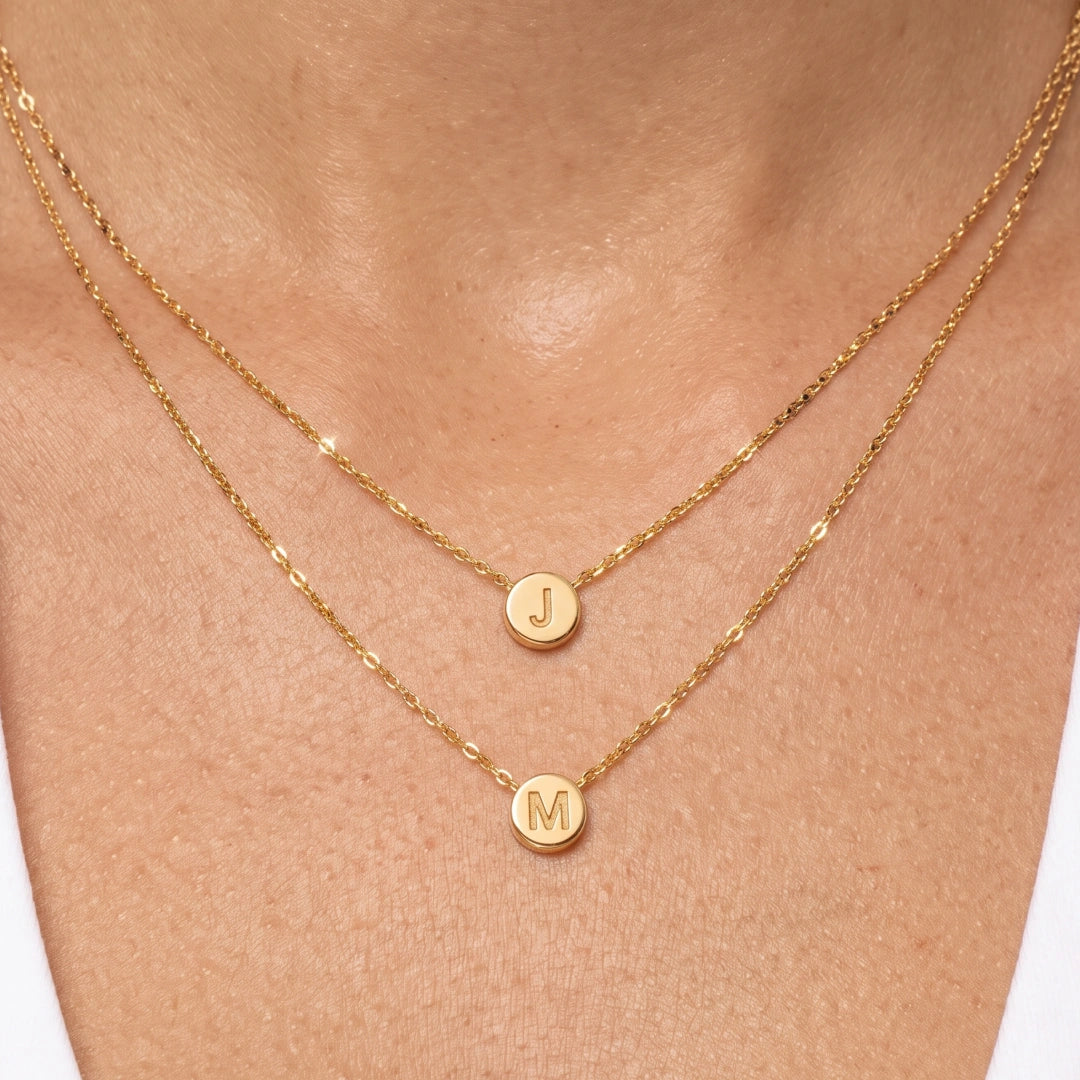
Our Original Initial Letter Necklace, which can showcase your story in a minimalist way
-
Our Clover Sapphire Stud Earrings, which add sparkle in a delicate, yet non-invasive way
Best Options for Frequent Travellers
The best travel-safe jewellery for frequent travellers includes:
Our stacking rings, which can effortlessly elevate your ensembles
Our Sideways Initial Bracelet, which can be worn in a stacked wrist set or worn solo, to help represent your narrative
Best Camile & Stone Collections to Explore
The Camile & Stone waterproof jewellery collection is the ideal range to explore when hunting for high-quality jewellery pieces. Choose pieces that align with your aesthetic, and choose everyday jewellery that pairs well with multiple ensembles.